First Impression
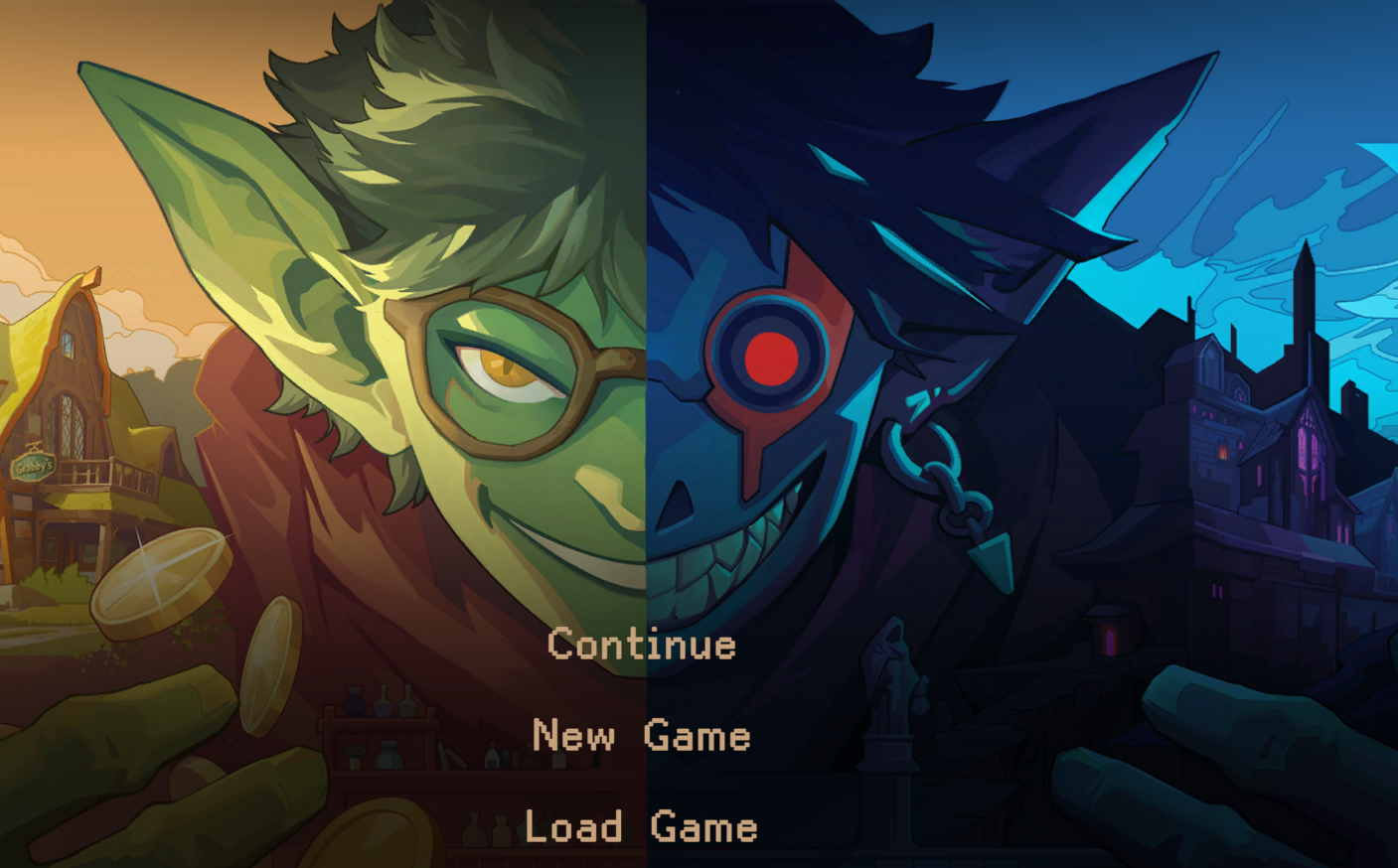
Goblin Vyke: The Thief Tycoon does not frame theft as a side activity. Theft is the entire business model.
Vyke enters dangerous locations, avoids enemies, gathers valuables, and carries the results back to a growing shop. Every successful expedition contributes to the next through improved abilities, useful items, or objects placed on display. It is an effective premise because the dungeon and shop halves continuously justify one another.
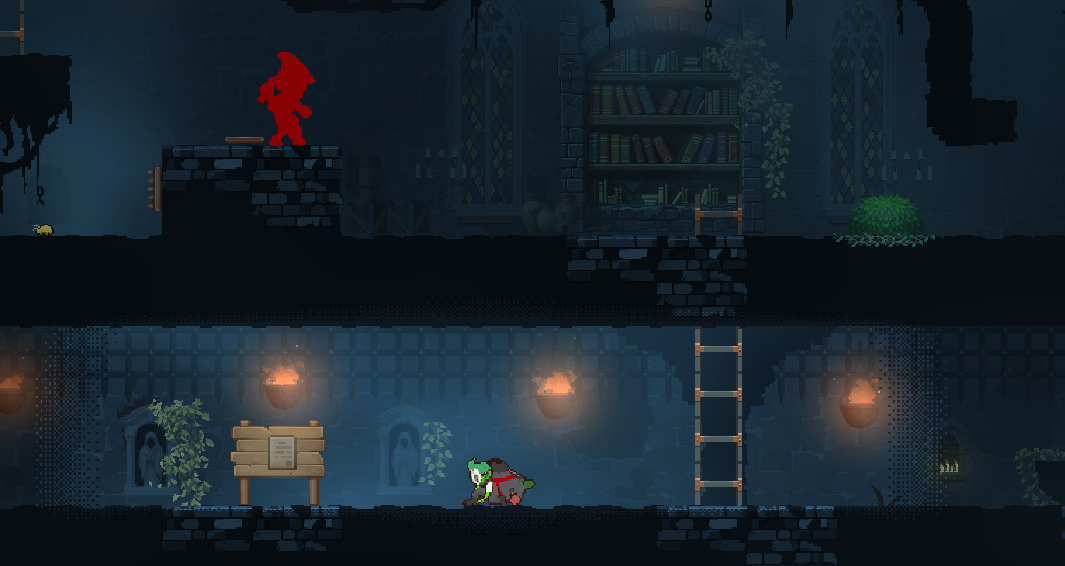
The game is immediately understandable, visually charming, and committed to its fantasy. Its difficulty is that it establishes nearly all of its appeal early. As the hours continue, new rewards arrive more consistently than new reasons to approach the work differently. The life of a goblin thief is enjoyable; it is also surprisingly routine.
Small Thief, Large Ambitions
Fantasy games often cast the player as someone powerful enough to confront danger directly. Goblin Vyke is more entertaining when it does the opposite. Vyke is a small opportunist trying to survive long enough to leave with someone else’s possessions.
That perspective gives familiar stealth actions a sense of character. Avoiding an enemy is not merely the safest choice; it suits a goblin who entered for profit rather than glory. Waiting for an opening, slipping across a dangerous room, and grabbing an unattended object all reinforce the same fantasy.
The nighttime dungeons support that behavior, while the platforming prevents theft from becoming a simple interaction prompt. The best moments combine observation with nerve: identify an opportunity, decide whether the reward is worth the risk, and escape before the situation changes.
The game keeps this tension approachable. It is not an unforgiving stealth challenge demanding perfect execution. That lighter pressure matches the playful writing, including conversations with characters such as Aliya, and allows burglary to coexist comfortably with cozy shopkeeping.
From Dungeon Floor to Store Shelf
A successful run matters because the loot has visible and mechanical value. Some discoveries support progression; others contribute to the shop or become part of the displayed collection. Returning home therefore feels like the conclusion of an expedition rather than a quick inventory purge.
This connection is the smartest part of the structure. The shop turns repeated resource runs into the growth of a peculiar little enterprise. Every stolen object feels like evidence that Vyke’s operation is becoming more successful.
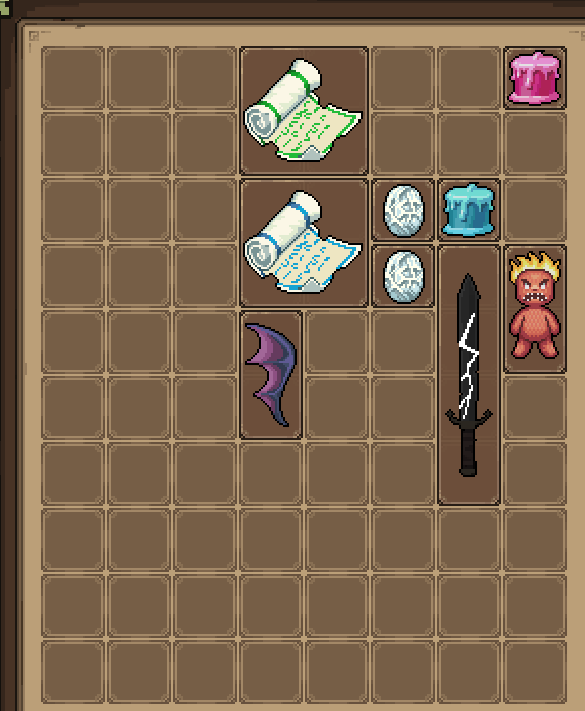
Skills and improved equipment maintain forward momentum, although the progression is steady rather than transformative. Vyke becomes more capable, but upgrades rarely redefine the way a dungeon is approached. This keeps the game readable while also contributing to the familiarity of later runs.
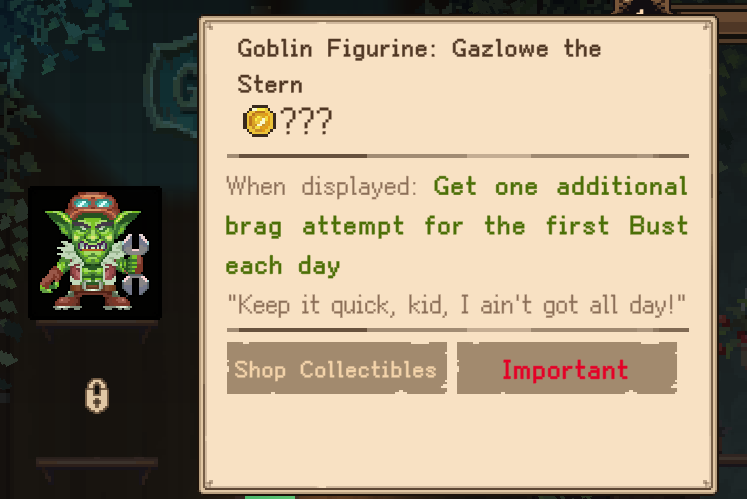
Collectibles provide the more personal reward. Displaying treasures in the shop gradually turns it into a record of where Vyke has been and what he managed to steal. Humorous item descriptions give otherwise minor objects personality and encourage players to search routes that do not lead directly to the most valuable objective.
The Comfort and Cost of Repetition
Goblin Vyke depends on repetition by design: enter a dungeon, navigate danger, take valuables, return to the shop, and prepare for another attempt. The loop itself is not the problem. The issue is that its individual parts do not change enough as the game continues.
New treasures and upgrades create fresh incentives, but the underlying decisions often remain familiar. Players who enjoy incremental progress may find that consistency comfortable. There is usually another object to obtain or another improvement to pursue, and the next objective is easy to understand.

Players who rely on mechanical surprise are more likely to tire of the routine. Missions with unusual restrictions, enemies requiring distinct stealth behavior, or dungeons built around more specific rules could have changed the purpose of an expedition instead of only changing its reward. As it stands, the prizes evolve faster than the occupation.
Where It Clips
The narrowness of Goblin Vyke’s concept limits its staying power. Upgrades soften the repetition without eliminating it. Collectibles add personality without changing how a dungeon is solved. Dialogue gives the world charm but does not substantially disrupt the rhythm of play.
None of these systems are poorly designed. They orbit a strong loop that needed more variation. The game succeeds at the exact fantasy it promises. Sneaking through dangerous places as a goblin thief and watching a shop reflect accumulated progress. But it has difficulty growing beyond that promise.
Players expecting a compact, repeatable progression game may appreciate its consistency. Those expecting an adventure that continually introduces new situations should approach more cautiously.
Final Render
Goblin Vyke: The Thief Tycoon has an identity many larger games struggle to establish. Its mechanics, setting, and progression all support the fantasy of building a business from stolen goods. Infiltration creates tension, returning home creates comfort, and displayed collectibles make success visible.
That unity makes the game initially difficult to resist. Over time, however, its boundaries become clear. New treasures provide motivation, but obtaining them does not evolve at the same pace.
Vyke’s career in theft has charm, purpose, and plenty of attractive merchandise. It simply begins to feel like a regular job sooner than it should.
Players who enjoy light stealth, repeatable progression loops, collecting objects, and cozy shop-building themes
Players who need frequent mechanical changes or sharply differentiated missions may find the routine predictable